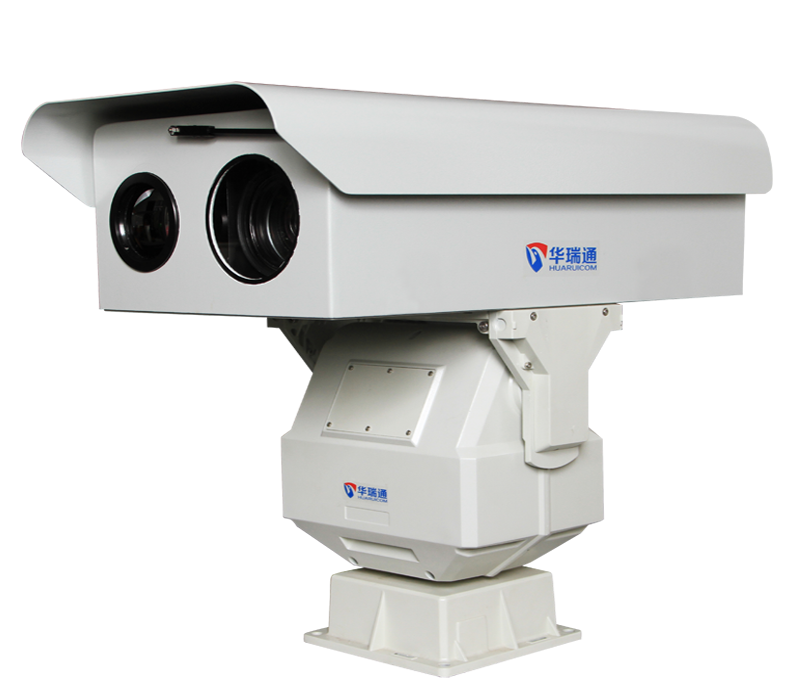
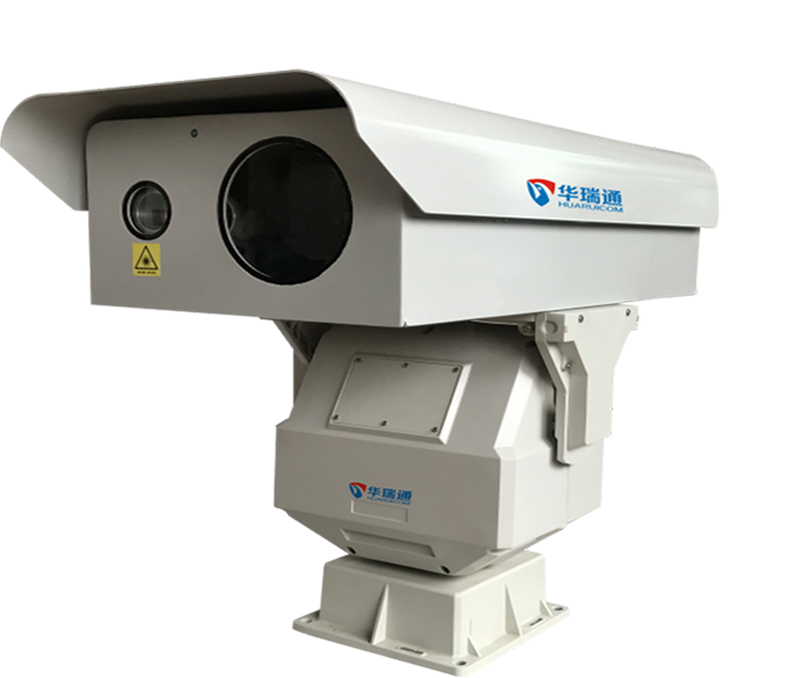
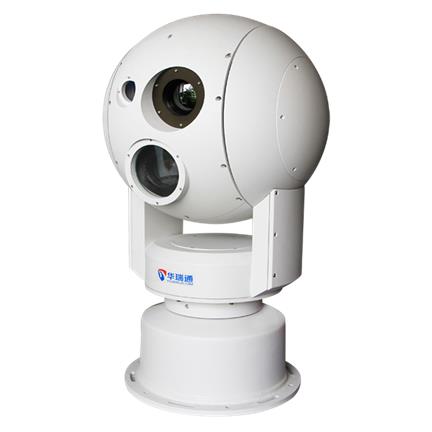
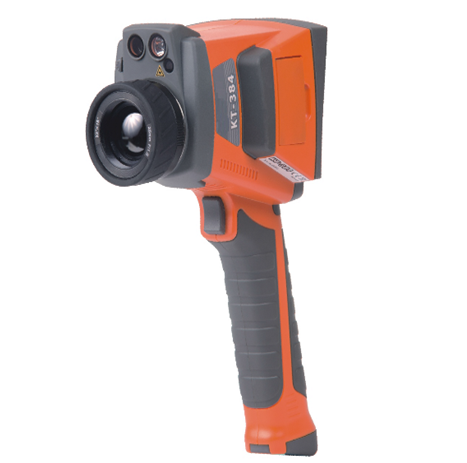
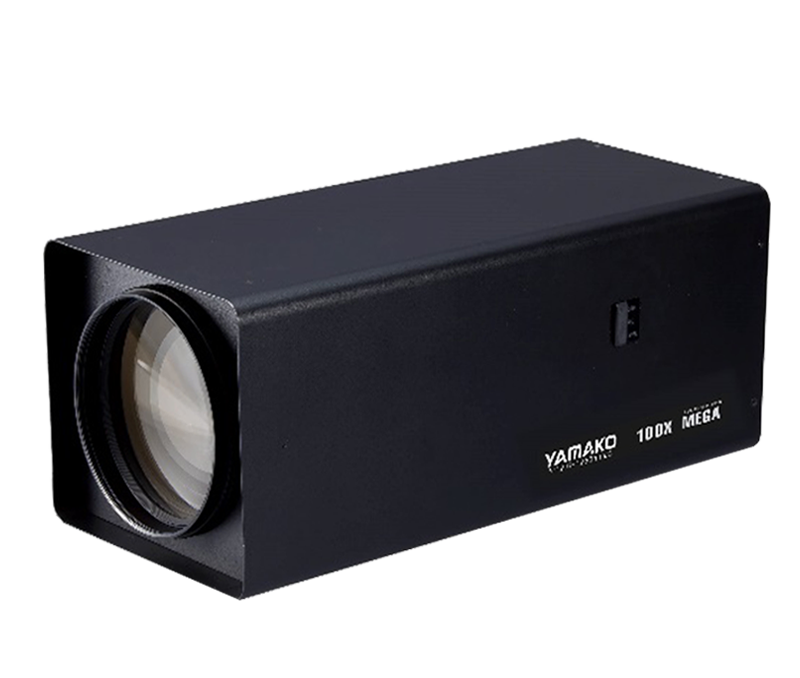
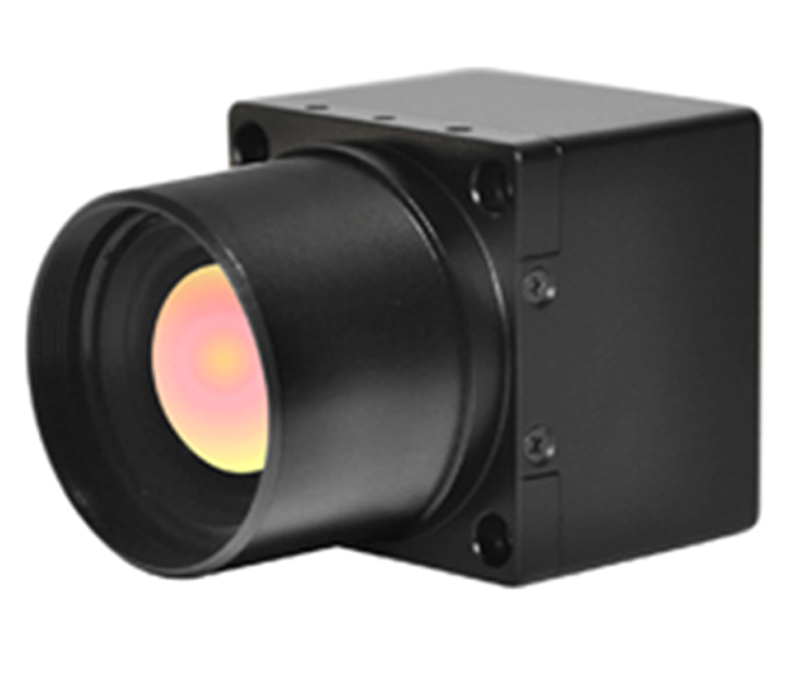
Summary:As public awareness of security grows, demands for surveillance cameras have risen; traditional infrared cameras no longer suffice, creating a need for a new, superior product. Thus, laser surveillance cameras emerged. However, given the dominant market share held by infrared cameras—combined with a lack of understanding regarding this new technology—there remains some resistance to its adoption. The advent of laser surveillance cameras...
As public awareness of security grows, demands for surveillance cameras have risen; standard infrared (IR) cameras often fall short of these expectations, creating a need for a superior new product. Laser surveillance cameras emerged to fill this gap. However, because IR cameras dominate the market, people may be unfamiliar with—or even resistant to—this new technology. Laser cameras address the limitations of IR cameras, so what specific advantages do they offer?
First, laser surveillance cameras provide superior image clarity. While IR cameras can capture images at night, the quality is often poor; furthermore, their limited monitoring range makes them unsuitable for high-security environments. Laser cameras differ in that they operate independently of ambient light levels. By utilizing laser-based IR components and ultra-low-light sensors, they can achieve night vision ranges of several hundred meters—even in total darkness—while maintaining sharp image quality.
Second, laser surveillance cameras have a longer lifespan—typically three times that of standard IR cameras. This gives them a distinct advantage in environments requiring 24-hour surveillance.
Third, laser surveillance cameras feature automatic focal length adjustment. Many models incorporate intelligent functions that automatically adjust the lens based on the object's distance and speed of movement, ensuring consistently clear image quality.
Finally, they offer eco-friendly, low-carbon benefits. Traditional IR cameras generate significant heat and consume substantial power; if internal heat cannot dissipate effectively, the unit overheats, severely shortening the lifespan of its electronic components. Laser surveillance cameras effectively eliminate this issue.


 NewsPress center
 Hot Products
 Solution
 Contact information