ServiceService support
 Hot Products
 Solution
 Contact information
Home > Service> Technical Support
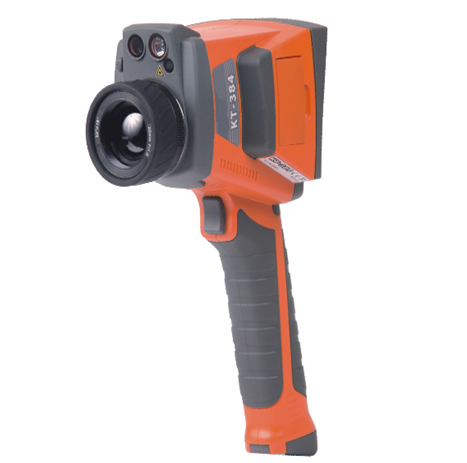
Summary:Infrared thermal imagers are sophisticated optical measuring instruments that require special care during use. To fully leverage their capabilities and extend their service life, proper attention must be paid to daily operation and maintenance. So, how should beginners go about maintaining an infrared thermal imager?
Infrared thermal imagers are sophisticated optical measurement devices that require special care during use. To maximize their performance and extend their service life, proper daily use and maintenance are essential. So, how should a beginner go about maintaining an infrared thermal imager?
During daily operation, avoid pointing the thermal imager directly at the sun, welding torches, or other targets with extremely high temperatures. Thermal imagers have specified temperature measurement ranges; do not attempt to measure objects that exceed these limits. Additionally, after powering on the device, allow a brief period for the internal temperature to stabilize before use. Be aware that thermal imagers can be highly sensitive to static electricity. Neglecting these precautions could lead to burning, damage, or other malfunctions. The lens elements are typically made of germanium crystal, making them susceptible to breakage or scratching, and the LCD screen is also vulnerable to excessive pressure. Therefore, always replace the lens cap when the device is not in use and store it carefully. Generally, thermal imagers operate within a temperature range of -10°C to 50°C; always check the ambient temperature before use. In sub-zero temperatures, it is recommended to let the device warm up for at least 30 minutes after powering on before use, and continuous outdoor operation should not exceed 20 minutes. Never use the thermal imager in the rain; if liquid gets on the lens, wipe it off immediately to keep the lens clean and free of debris. When cleaning the lens, use a specialized computer cleaning cloth and wipe gently; never use solvents or corrosive liquids, and do not soak the cleaning cloth in liquid.
Latest Products
Understand More>