Remote Video Surveillance System for Nature Reserves, Wetlands, and Rare Flora and Fauna Protection
1. System Function:
Given the characteristics of wetlands and nature reserves—specifically their wide distribution and scattered, irregular layout—a remote video surveillance system offers significant benefits for scientific management and operational safety. By installing multiple camera sets across these protected areas, management personnel can gain a comprehensive understanding of on-site conditions. The system plays a crucial role in ensuring the effectiveness of wetland protection measures, reserve management, the preservation of wildlife habitats, and water source security, while also enhancing staff work efficiency.
Real-time on-site imagery is transmitted to a central control and management center and recorded on data storage drives, allowing relevant staff and managers to review the security status of any location at any time. In the event of an incident, personnel can be dispatched promptly based on the visual data to address the situation and eliminate potential hazards before they escalate into major accidents.
From the management and monitoring center, administrators can track environmental data to stay informed about on-site conditions. Should an incident occur—such as illegal trespassing, dumping of waste, pollutant discharge, fire, or flooding—they can utilize live video feeds to respond to these emergencies efficiently and in real-time, thereby minimizing damage. The system helps prevent large-scale forest fires, habitat destruction, and human-induced damage to water sources and wetlands; it strengthens ecological monitoring and supports scientific research and management regarding birds and wildlife. Additionally, it safeguards the habitats of birds, wildlife, and marine life while helping to prevent illegal capture and poaching.
2. Project Significance:
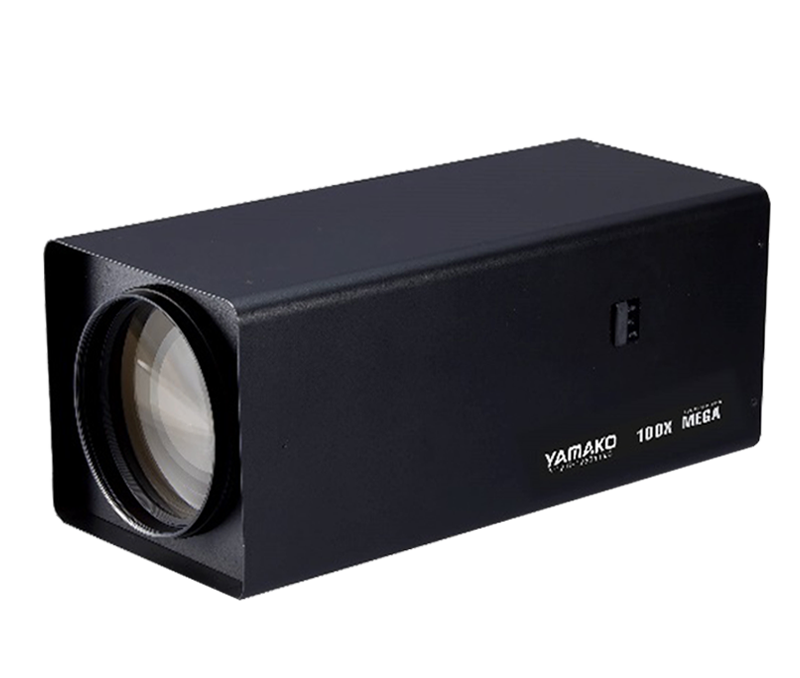
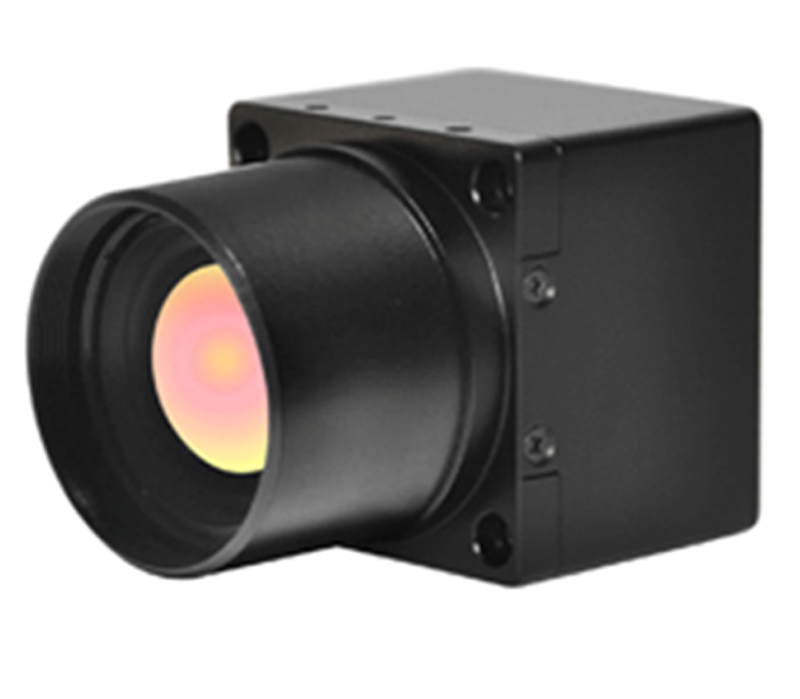
This project addresses the requirements set forth in regulations such as the *Regulations of the People's Republic of China on Nature Reserves*, the *Forest Law of the People's Republic of China*, the *Administrative Measures for Forest Parks*, and the *Provisional Regulations on the Administration of Scenic and Historic Areas*. These regulations mandate the strengthening of nature reserve construction and management, the protection of natural environments and resources, and the strict prohibition of illegal activities such as indiscriminate logging, grazing, hunting, fishing, medicinal herb gathering, land reclamation, controlled burning, mining, quarrying, and sand dredging. The project leverages long-range high-definition imaging and far-infrared night-vision technologies, integrating the latest advancements in electronic information engineering, communication engineering, computer technology, and "3S" technologies (GIS, RS, and GNSS) to meet the need for comprehensive, long-range video surveillance and management of nature reserves.
3. Background and Requirements:
The objective of this project is to implement 24-hour, uninterrupted, and unobstructed surveillance within nature reserves. By utilizing dynamic monitoring systems, the project aims to enhance ecological environment monitoring and provide a comprehensive remote video surveillance system that is scientific, systematic, real-time, and visual—operating around the clock and in all weather conditions. It seeks to further strengthen the management capabilities of central, provincial, and municipal administrative authorities by digitizing and networking management tasks such as command, inquiry, statistics, and monitoring, thereby establishing a preliminary, sound management system for wildlife and plant protection. By 2030, the goal is to reach a total of 2,000 nature reserves covering 161.2 million hectares nationwide—including 280 national-level reserves—with the total area of nature reserves accounting for 16.8% of the national territory. This will establish a complete protection and management system, enabling the recovery and population growth of 60% of key nationally protected wildlife and plant species and ensuring the effective protection of 95% of typical ecosystem types.
4. System Topology Diagram:

5. System Functions and Features:
1) Strengthens the protection of rare and endangered flora and fauna, wetlands, and the ecological environment of nature reserves, preventing human activities from damaging the ecological environment of these reserves.
2) Enables remote monitoring and coordinated command. During animal breeding seasons, it allows real-time observation and monitoring of various animal habits and the protection and management of nests, preventing theft and damage by other animals or humans. Furthermore, it promptly detects and issues warnings regarding poaching, hunting, and uncivilized behavior by tourists that drives away or frightens birds. Management center staff can immediately contact on-site security personnel to stop these actions, thus playing a supervisory and management role.
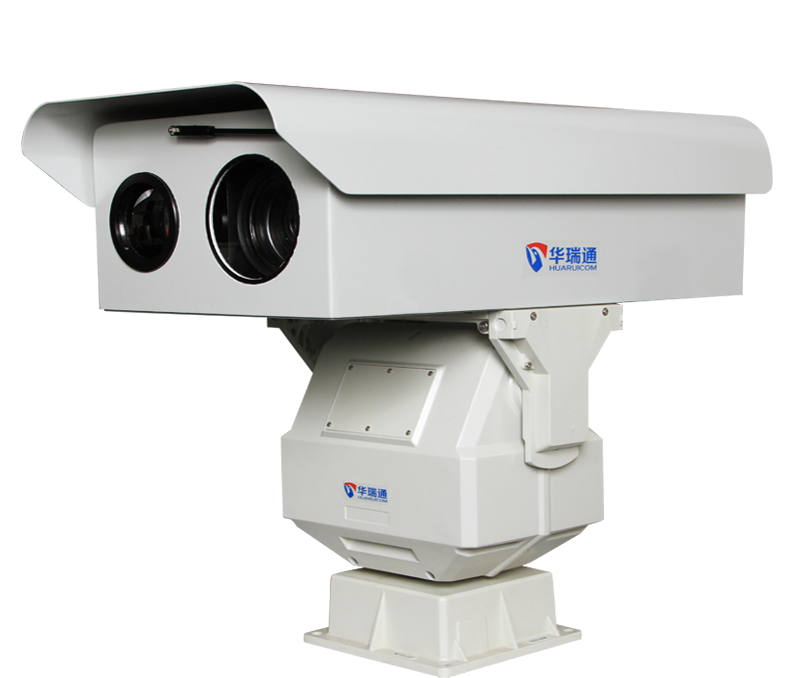
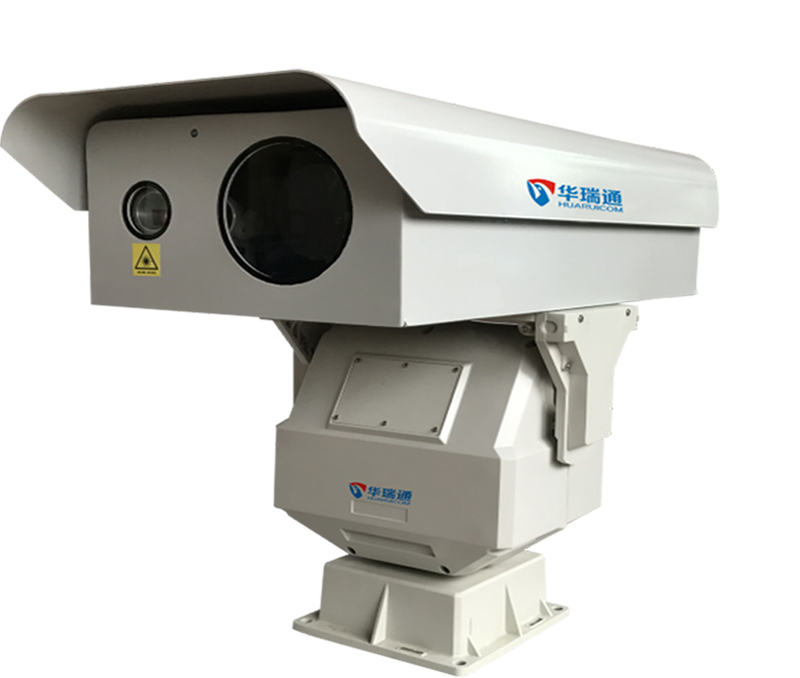
3) This system utilizes visible light, thermal imaging, and laser imaging technologies to achieve comprehensive, multi-angle, long-distance, 24/7 video monitoring. It overcomes the limitations of ordinary video monitoring, such as short distances and "blind spots" in special weather conditions. Effective monitoring is possible not only in clear daytime weather but also in dark nights and rainy or foggy weather.
4) Alarm linkage zones can be set up in bird activity areas to promptly detect and issue warnings when the vanguard of migratory birds returns to the protected area for wintering. Management personnel can then promptly identify and strengthen management, and take necessary preparatory measures for the birds' wintering.
6. Application Scope:
Wildlife habitat protection and monitoring; wildlife habitat monitoring and management; wildlife breeding season tracking and monitoring; fire prevention and early warning in nature reserves; pest and disease monitoring in nature reserves; water source and wetland protection monitoring; rare animal protection; environmental protection monitoring in ecological reserves.


 SolutionSolution
 Hot Products
 Video
Video

 Contact information