ProductsProduct Navigation
 Hot Products
 Solution
 Contact information
Home > Products > Industry products > Power Online Temperature Management System > Power Online Temperature Measurement System Software
System Features:
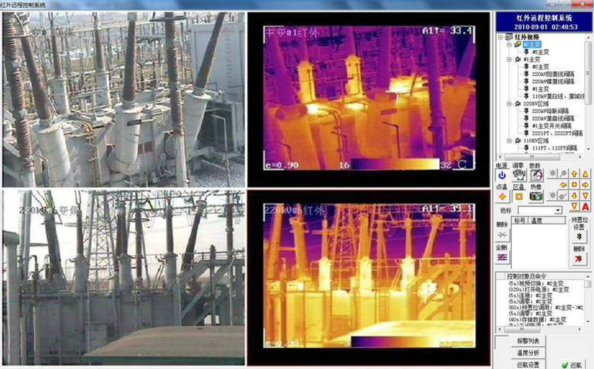
The intelligent infrared online real-time monitoring system integrates visible light imaging, infrared thermal imaging, and embedded processing technologies. It enables automatic inspection, real-time monitoring, and automated alarming for substation equipment in operation, while capturing thermal data regarding equipment faults and automatically generating temperature variation reports. Characterized by non-intrusive operation, long-range capability, safety, reliability, and high detection accuracy, it serves as a highly effective solution for online monitoring and condition-based maintenance.
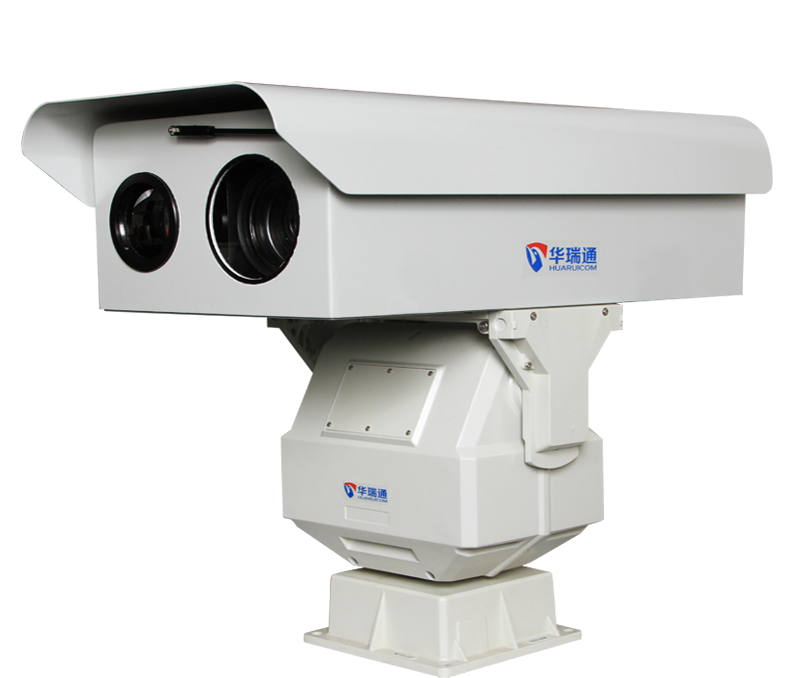
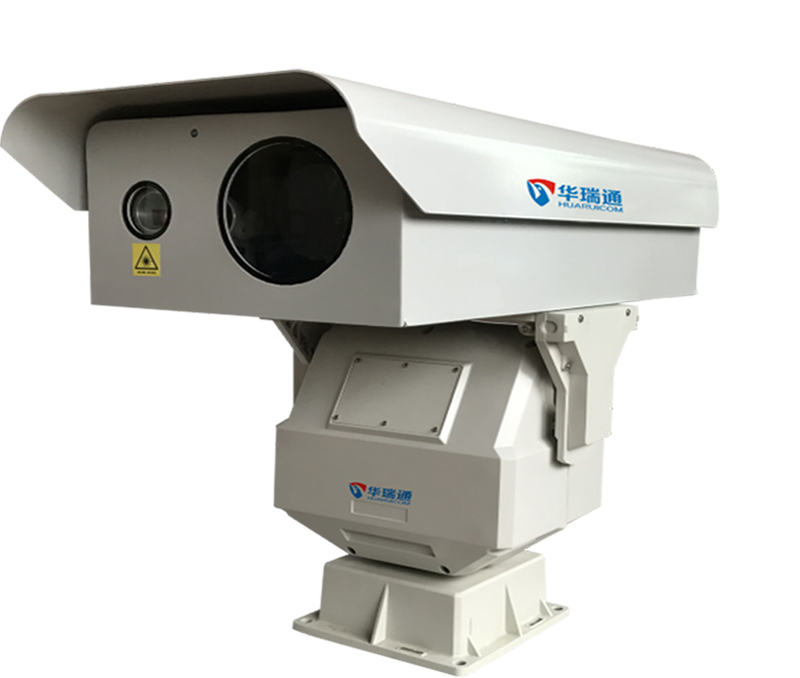
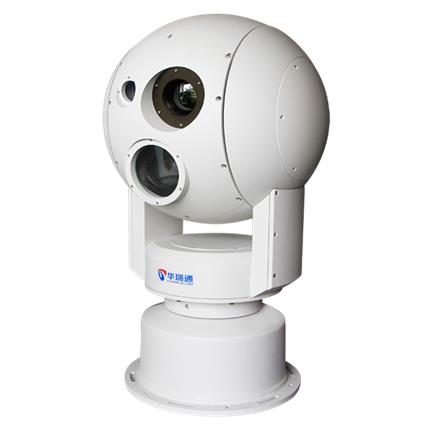
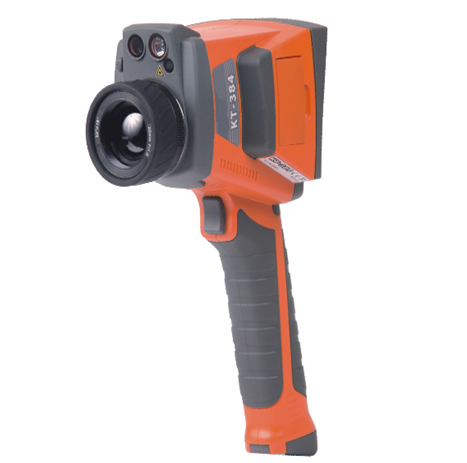
Within the system, an infrared thermal imager captures thermal images and measures the surface temperature of the monitored equipment in real time. Thermal images and temperature data are transmitted to a central monitoring unit via PAL or RJ45 interfaces, allowing for real-time observation of equipment status. Additionally, the monitoring unit can compress the images and data for transmission over a local area network (LAN) via network hardware, thereby enabling networked real-time monitoring. Depending on the installation method, the system can be categorized into various configurations, such as fixed, airborne, vehicle-mounted, and mobile online monitoring.
Software Advantages:
1) The system features a distributed architecture characterized by reliability, mature technology, comprehensive functionality, and an advanced design; it offers flexible configuration, ease of operation, and a rational layout, meeting requirements for long-term, stable operation;
2) The system demonstrates excellent standardization, openness, security, scalability, and maintainability, allowing for convenient hierarchical network interconnection and the addition or removal of various station-level front-end devices as needed;
3) The audio/video codec standards employed are advanced, universal international standards that are interactive and low-bitrate, meeting the transmission needs of large-scale network topologies;
4) Software, hardware, human-machine interfaces, communication protocols, and interfaces adhere to the latest international, national, and industry standards; robust anti-interference measures—such as resistance to voltage stress, surge voltage, lightning strikes, and strong electromagnetic interference—are implemented in compliance with international standards; existing network resources are prioritized for network interconnection across all system levels.
Software Functions:
1) Automatic Inspection: The system supports preset patrol routes and maximizes machine intelligence to perform automatic inspections without the need for manual supervision;
2) Automatic Early Warning: Automatically triggers an alarm upon detecting abnormal temperatures in target equipment, providing personnel with specific location and status details to facilitate immediate troubleshooting;
3) Enables remote infrared video monitoring of conditions within the substation area;
4) Monitors the external appearance, operational status, and temperature distribution of critical equipment such as transformers and circuit breakers;
5) Assists in monitoring the external appearance, operational status, and temperature distribution of high-voltage equipment such as CTs, PTs, lightning arresters, and porcelain insulators;
6) Assists in monitoring the external appearance, operational status, and temperature distribution of other oil-filled or flammable equipment within the substation;
7) Hard-wired alarm contacts from the substation's infrared video monitoring system connect to the substation's integrated automation system or telecontrol equipment, enabling the transmission of fire-safety and early-warning alarm signals.
Related Products
Understand more>