NewsPress center
 Hot Products
 Solution
 Contact information
Home > News> Industry Information
Summary:In terms of technical categories, night-vision surveillance technology can be classified into active infrared and passive infrared technologies. Consequently, night-vision surveillance products fall into two main categories: active night-vision products and passive night-vision products. Common examples of active night-vision products include standard infrared cameras and laser cameras, while passive night-vision products include low-light night-vision devices and infrared thermal imagers.
Night-vision surveillance technologies can be categorized into active infrared and passive infrared technologies. Consequently, night-vision surveillance products fall into two main categories: active and passive. Common active night-vision products include standard infrared cameras and laser cameras, while passive products include low-light night-vision devices and infrared thermal imagers.
From an application perspective, the advantages and disadvantages of these products are distinct.
Standard infrared cameras are affordable and widely adopted, serving residential complexes, corridors, and other short-range, small-scale surveillance needs. However, the low barrier to entry has led to a market filled with a mix of high- and low-quality products. Furthermore, due to the physical limitations of the technology itself, the illumination range of standard LED infrared lights rarely exceeds 100 meters.
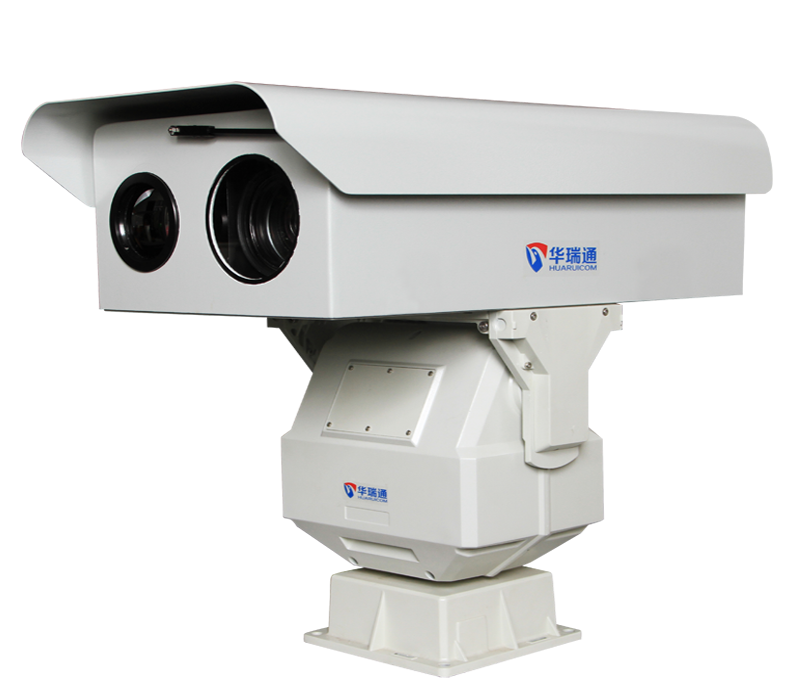
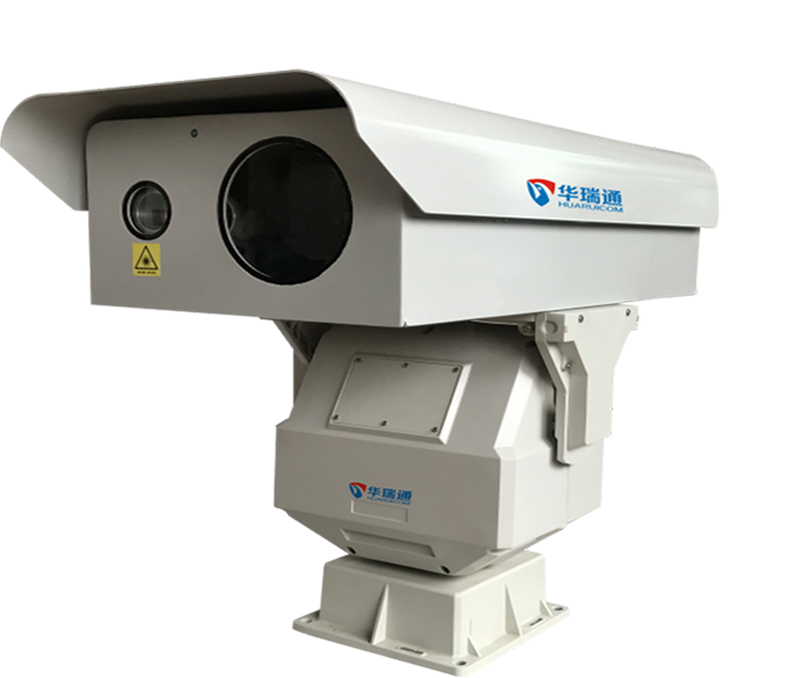
Laser cameras deliver high-quality, clear imagery. They can identify a person within 1 kilometer and detect one within 3 kilometers, providing a faithful representation of the scene. They offer long-range monitoring, versatility, environmental adaptability, a long service life, and low operational risk. (Note: The active laser light source is generally invisible to the human eye; however, when operating high-power laser cameras, one must avoid looking directly into the laser source from a very close range.) While they possess a distinct advantage over standard infrared cameras in fog penetration, they still lag somewhat behind infrared thermal imagers in this regard. Nevertheless, in terms of cost-performance ratio, they far surpass both infrared thermal imagers and low-light night-vision devices. )
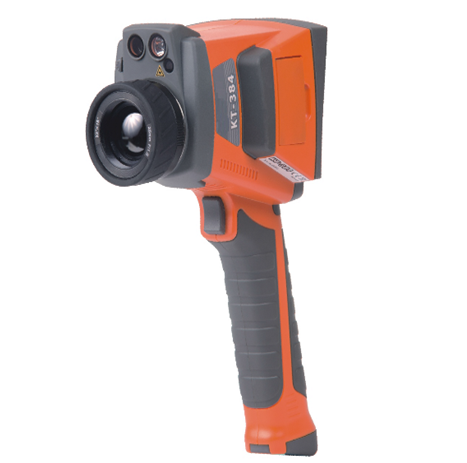
Infrared thermal imagers and low-light night vision devices were traditionally used in specialized fields such as military operations, criminal investigation, and individual field deployment; consequently, they commanded high prices. Low-light night vision devices rely on ambient illumination—failing to produce images without moonlight or other natural light—and have limited surveillance ranges, typically struggling to exceed 1,000 meters. Furthermore, their low-light tubes are susceptible to damage from intense light, rendering them unusable during the day. Infrared thermal imagers, available in both cooled and uncooled variants, offer superior fog-penetration capabilities; cooled models can achieve observation ranges of up to 40 kilometers and are frequently used in military applications. However, they have strict operational requirements, necessitating a significant temperature differential between the target and its surroundings to produce clear images, and their performance is heavily influenced by ambient temperature, often resulting in poorer image quality during the summer. In contrast, laser cameras utilize an infrared laser light source that is invisible to the human eye, offering advantages in terms of stealth and extended night-vision surveillance range. In recent years, they have been increasingly adopted across a wide range of sectors, including video-based evidence gathering for public security, procuratorial, and judicial agencies; specialized news reporting; military operations; and applications in expressways, high-speed railways, law enforcement, energy and power, environmental protection and water conservancy, "Safe City" initiatives, airports and ports, oil fields and depots, long-distance pipelines, large industrial complexes, border and coastal defense, maritime and fishery administration, ecological conservation, and military bases.
Latest Products
Understand More>