Summary:In 2015, the National Development and Reform Commission and the National Energy Administration issued the *Guiding Opinions on Promoting the Development of Smart Grids*. Within just one year, smart grids in my country experienced rapid development. Against this backdrop, intelligent inspection—a key component of smart grid construction—also entered a period of flourishing growth.
An Overview of Key Domestic Power Inspection Robot Companies
In 2015, the National Development and Reform Commission and the National Energy Administration issued the "Guiding Opinions on Promoting the Development of Smart Grids." Within just one year, smart grids saw rapid development in my country. Intelligent inspection, a crucial component of smart grid construction, also entered a period of flourishing growth.
To meet the ever-increasing demands for power supply quality, more flexible and practical substation inspection robot systems have been deployed. Operating autonomously or via remote control, these systems inspect outdoor high-voltage equipment at unmanned or minimally manned substations. They can promptly detect defects, foreign objects, and other anomalies, triggering automatic alarms or executing pre-programmed fault-handling procedures. Their flexible operation effectively reduces staffing needs while boosting efficiency, thereby accelerating the transition toward unmanned substation operations.
Advantages of intelligent substation inspection robots:
1. Mature imaging technology
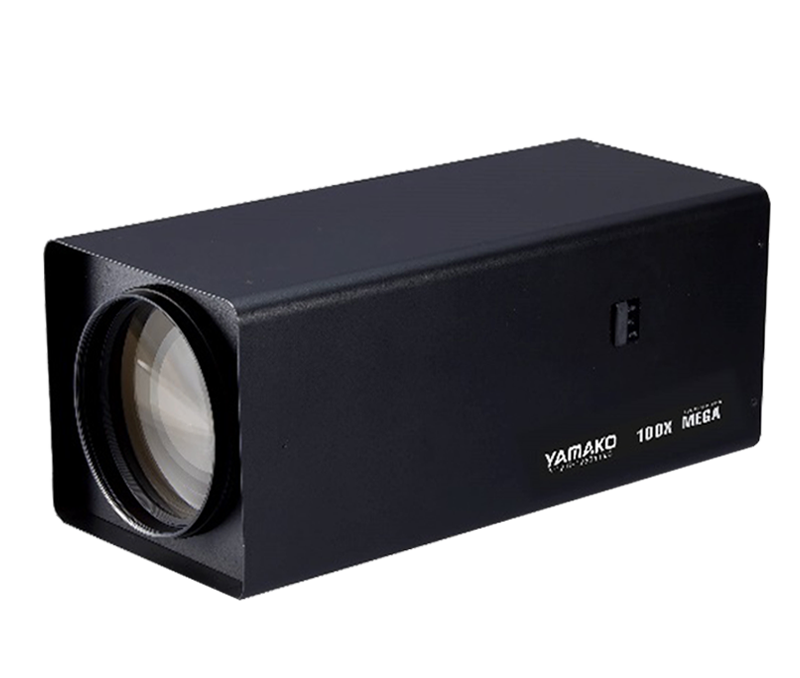
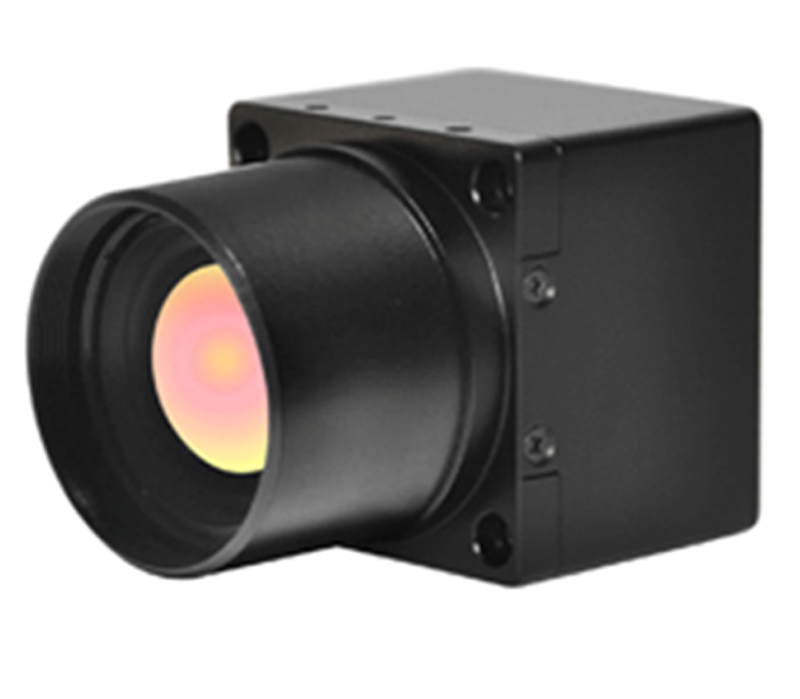
Most intelligent inspection robots on the market today feature dual-imaging capabilities: visible light and infrared. Visible light imaging is primarily used to read substation gauges and meters, while infrared imaging is used for temperature monitoring. While gauge reading is straightforward, temperature monitoring focuses on detecting overheating in critical components such as connectors and wiring; overheating or thermal anomalies often indicate potential equipment faults. By using this technology to screen for potential hazards and efficiently collect data, these robots facilitate subsequent analysis and maintenance.
2. Laser navigation
Laser navigation technology effectively maps the entire substation into the robot's system, giving it spatial awareness. By combining laser-based positioning with visible light and infrared imaging, the robot can automatically check for issues with gauges, position indicators, switches, and contact points—a hallmark of smart grid technological advancement.
3. Advanced infrared thermal imaging technology
Unlike the simple detection methods used by traditional robots, infrared thermal imaging allows for comparative analysis across multiple parameters, providing a more intuitive understanding of conditions within the substation.
4. 360-degree rotation capability
Substation pathways are often narrow, making it difficult for robots to turn around; the ability to rotate freely solves this problem. Intelligent inspection robots can rotate in place—eliminating the need for a wide U-turn—and change direction to continue moving; this capability allows them to better adapt to the actual spatial constraints within a substation.
5. Cruise System
The robot offers a cruise time of 8 to 10 hours. Furthermore, it supports various configurable inspection modes (such as scheduled inspections, unscheduled inspections, and real-time monitoring). It also features a high level of intelligence: if the battery runs low, the robot automatically navigates to the charging station to recharge.
6. Low False Alarm Rate
With the continuous advancement of sensor and communication technologies in recent years, intelligent inspection robot technology has matured significantly, resulting in a very low probability of false alarms.
Overview of Major Domestic Power Inspection Robots:
Shandong Luneng

Shandong Luneng Intelligent Technology Co., Ltd. was established in 2001. In 2010, coinciding with the State Grid Corporation's pilot projects for smart grids and smart substations, the company initiated the development of a fourth-generation intelligent inspection robot designed to meet the specific needs of smart substations. That same year, these robots were deployed in the intelligent upgrades of the first batch of pilot projects: the Lanxi 500kV substation in Jinhua, Zhejiang, and the Wushan 220kV substation in Qingdao. Today, the company has unveiled its impressive fifth-generation intelligent inspection robot, featuring a combined laser navigation system. A total of 388 of these independently developed and designed robots have been deployed nationwide, serving over 500 substations across 29 provinces and covering voltage levels ranging from 110kV to 1000kV; the company holds over 50% of the domestic market share, firmly securing the top position in the industry.

Guozi Robotics
Zhejiang Guozi Robotics Technology Co., Ltd. specializes in the development and promotion of mobile robots. Integrating R&D, manufacturing, marketing, and engineering services, the company is dedicated to providing world-class, globally competitive robotics technologies, products, and solutions, with operations spanning fields such as intelligent mobile robots and smart manufacturing. Its standard wheeled inspection robots replace human personnel in monitoring and assessing equipment status within specialized environments; utilizing trackless navigation technology, they achieve comprehensive patrol coverage of equipment areas. Equipped with various sensors for data acquisition, these robots analyze equipment conditions to provide early warnings of defects and ensure operational safety. Currently, Guozi inspection robots are deployed within the State Grid network, and the company held a 30% market share for inspection robots in 2016.

Langchi Xinchuang
Shenzhen Langchi Xinchuang Technology Co., Ltd. is a national high-tech enterprise specializing in the R&D, production, sales, and service of intelligent service robots and intelligent inspection robots for specialized industries. Its intelligent substation inspection robots feature autonomous navigation, positioning, charging, and inspection capabilities. By integrating infrared thermal imaging with high-definition video, the robots accurately read various substation instruments and detect thermal anomalies associated with equipment current and voltage. This enables the timely identification of equipment defects and enhances inspection efficiency, delivering a comprehensive intelligent substation inspection solution that incorporates power grid operational protocols; the system has already been deployed in large-scale demonstration projects by the State Grid and China Southern Power Grid.

Zhengzhou Wanda Technology Development Co., Ltd. (hereinafter referred to as Wanda Technology) is a wholly-owned subsidiary of Zhengzhou Wanda Heavy Industry Co., Ltd. (stock code: 832936). It is a comprehensive enterprise integrating research and development, manufacturing, and sales.

Huaruitong
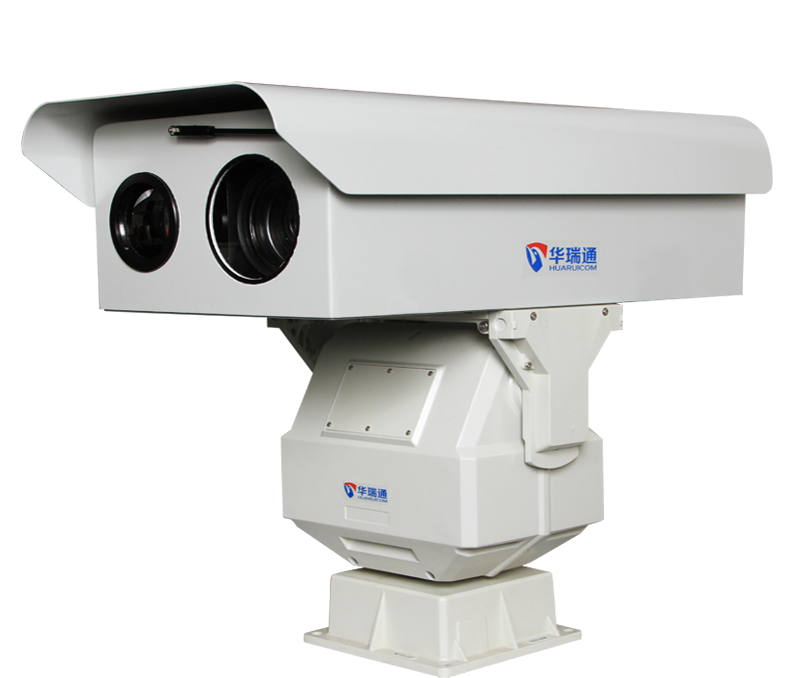
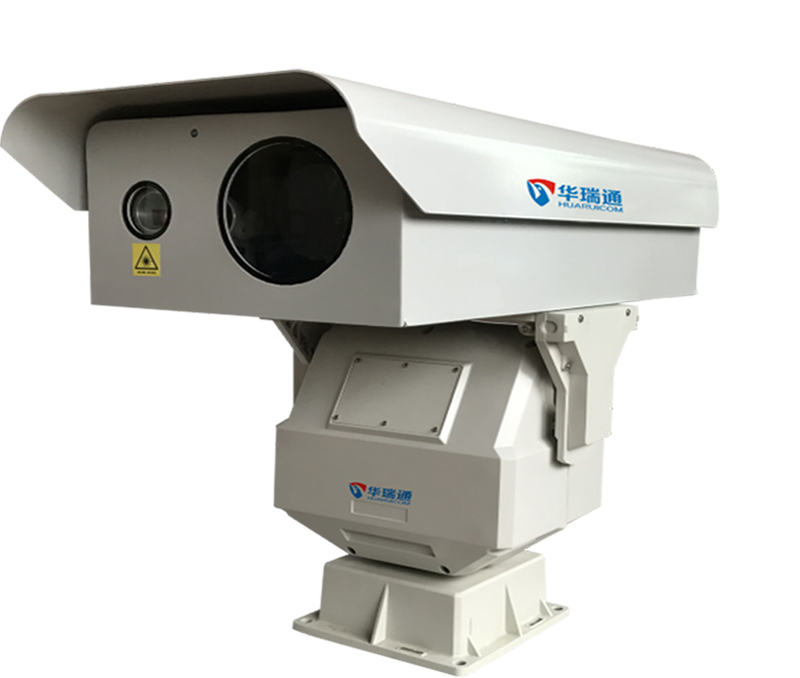
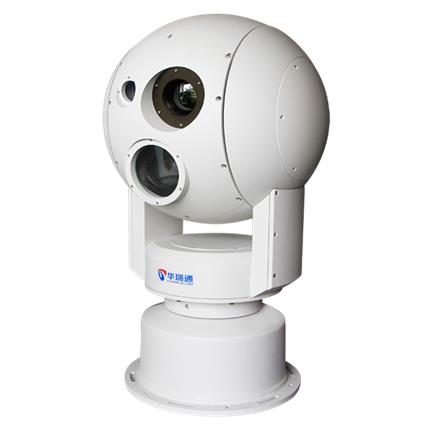
Shenzhen Huaruitong Technology Co., Ltd.’s intelligent inspection robot employs state-of-the-art trackless navigation and four-wheel-drive technologies, enabling all-terrain mobility and the ability to execute inspection tasks along pre-set routes in diverse weather conditions. It provides real-time transmission of clear equipment images, infrared thermal imaging video, and data, while also automatically reading equipment meters and generating inspection reports. Designed for substations, the robot features autonomous navigation, positioning, charging, and inspection capabilities. By integrating infrared thermal imaging with high-definition video, it accurately reads substation instruments and detects thermal anomalies caused by current or voltage in equipment. This enables the timely identification of equipment defects and enhances inspection efficiency, delivering a comprehensive intelligent substation inspection solution that integrates seamlessly with power grid operational protocols.


 NewsPress center
 Hot Products
 Solution
 Contact information